
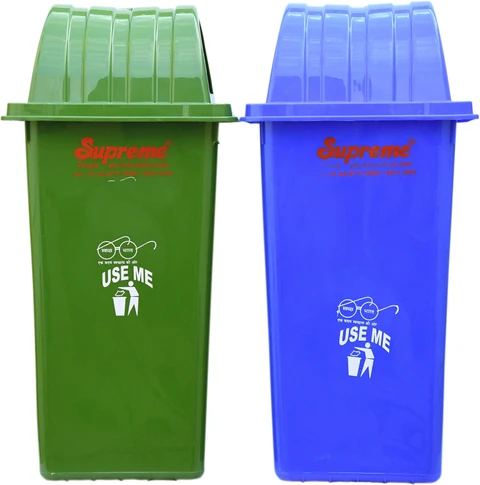
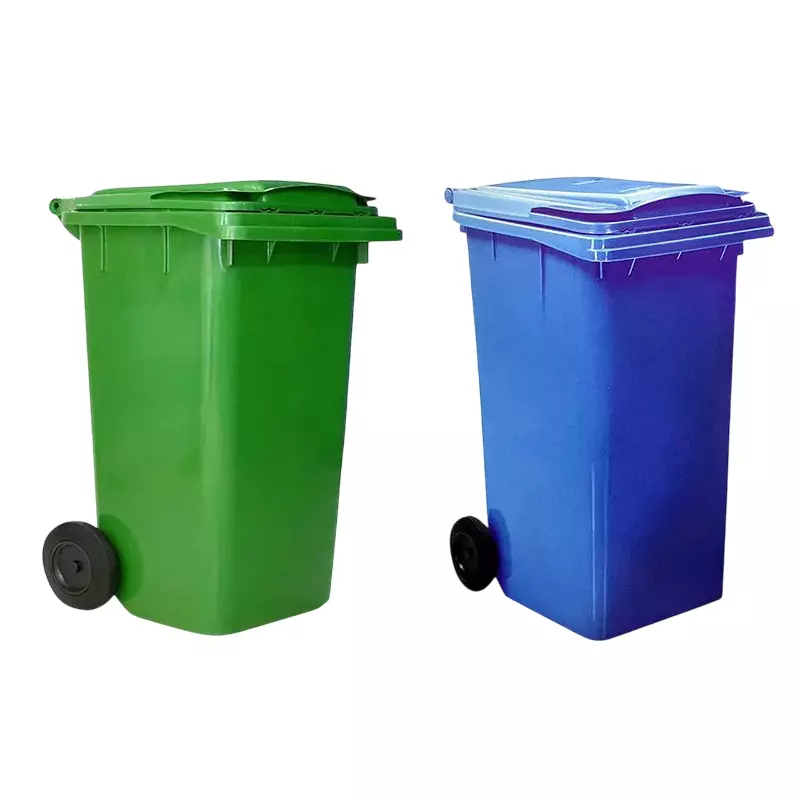
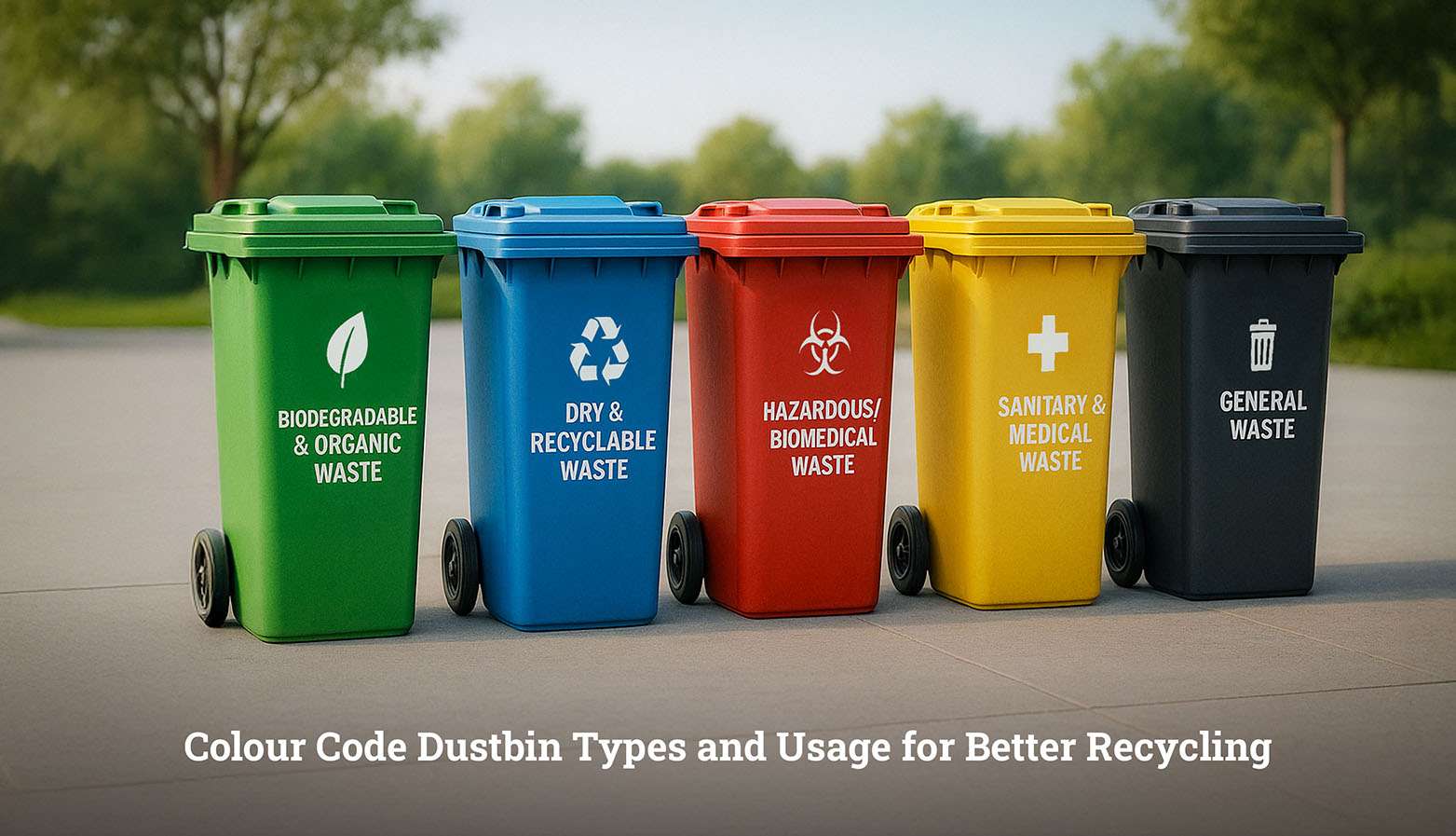
A dustbin serves as the primary collection point for refuse before it is transported to larger disposal sites or recycling plants. Modern dustbins are engineered to control odors, prevent pest infestations, and minimize physical touch to limit pathogen transmission. They range from small desktop containers to large, color-coded industrial wheelie bins that support global waste-sorting protocols.
Key Features
- Odor & Pest Control: Secure-fitting lids trap unpleasant smells and prevent insects, rodents, or pets from accessing waste.
- Hands-Free Operation: Pedal-actuated, swing-top, or infrared motion-sensor mechanisms eliminate the need for direct hand contact, boosting hygiene.
- Ergonomic Portability: Commercial and large-scale bins feature integrated heavy-duty handles and smooth-rolling caster wheels for effortless transport.
- Color-Coded Segregation: Available in standardized colors (e.g., Blue for dry/recyclable, Green for wet/biodegradable, Yellow for medical waste) to streamline recycling efforts.
- Durable & Easy to Clean: Smooth inner walls prevent waste from sticking, while chemical-resistant materials withstand frequent washing and disinfection.
Product Specifications
- Materials: High-Density Polyethylene (HDPE), Polypropylene (PP), brushed Stainless Steel (fingerprint-proof coatings), or galvanized iron.
- Capacities:
- Domestic/Office: 5 Litres, 7 Litres, 12 Litres, 20 Litres.
- Commercial/Public Areas: 32 Litres, 60 Litres, 80 Litres, 120 Litres.
- Industrial/Municipal: 240 Litres, 660 Litres, up to 1,100 Litres.
- Opening Mechanisms: Foot Pedal, Swing Lid, Open Top, Touch-Top, or Smart Motion Sensor.
- Shapes: Cylindrical, rectangular, slim/space-saving, or modular interlocking units.
Product Applications
- Household & Residential: Small pedal or swing bins placed in kitchens, bathrooms, and bedrooms for daily organic and packaging waste.
- Corporate & Commercial Offices: Sleek stainless steel or mesh paper bins positioned under desks and in common breakrooms.
- Healthcare Facilities & Labs: Specialized biohazard pedal bins used in hospitals to safely segregate infectious materials, needles, and clinical waste.
- Industrial & Outdoor Public Spaces: Heavy-duty, UV-stabilized 120L and 240L wheelie bins deployed in factories, parks, and street corners to handle bulk refuse.
Storage & Handling Instructions
- Liners & Bags: Always line the inner container with a properly sized garbage bag to prevent liquid leaks, staining, and sticky residue.
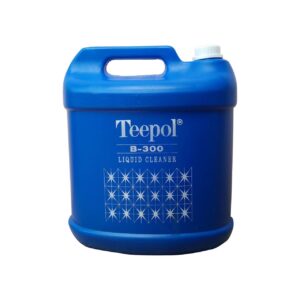
- Cleaning Routine: Wash regularly with water and a disinfectant solution (such as a diluted Savlon or alkaline surface cleaner) to kill odor-causing bacteria.
- Placement: Keep bins on a flat, stable surface. For outdoor wheelie bins, ensure they are placed away from direct high-heat sources to maximize the lifespan of the plastic.
- Lifting Safety: Do not overfill bins with heavy construction debris or wet soil beyond their rated weight capacity to prevent structural cracks or user injury during lifting.
Conclusion
Investing in the right dustbin system is critical for maintaining clean, sanitary, and legally compliant spaces. Whether utilizing small touchless bins for sterile medical environments or large wheelie bins for municipal collection, proper waste bins reduce environmental hazards, eliminate foul odors, and promote responsible recycling habits.

Reviews
There are no reviews yet.