
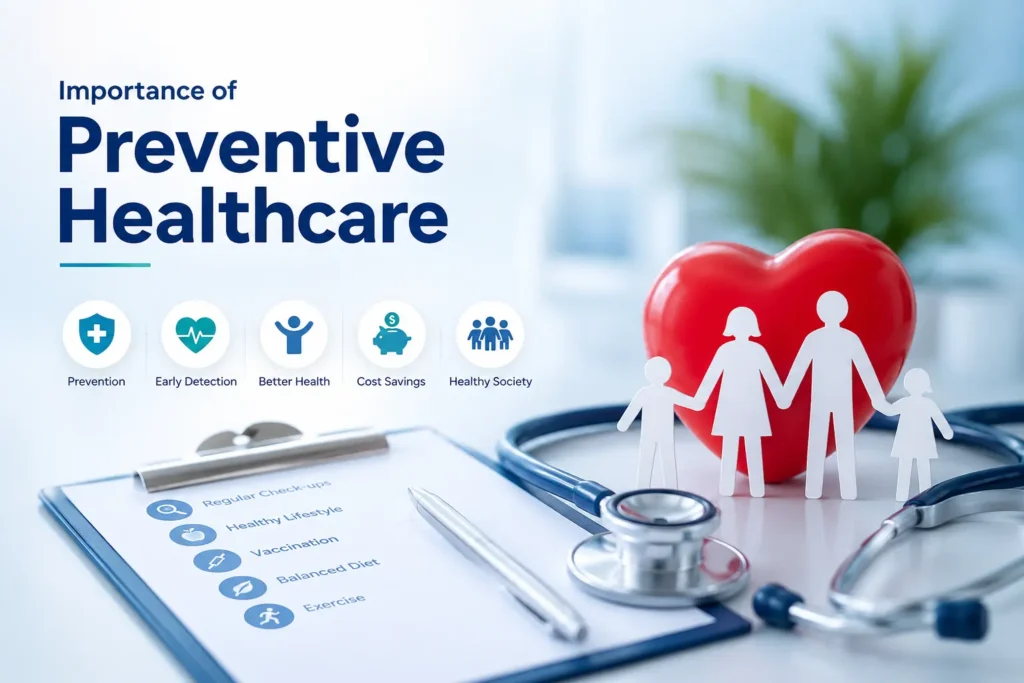

Preventive healthcare plays a crucial role in maintaining overall well-being and improving quality of life. In today’s fast-moving world, people often focus more on treating illnesses after they occur rather than preventing them. However, preventive healthcare emphasizes taking proactive steps to avoid diseases before they develop. It includes regular medical check-ups, vaccinations, healthy eating habits, physical activity, and stress management. By adopting these practices, individuals can significantly reduce the risk of serious health conditions and lead a healthier and more balanced life.
One of the most important benefits of preventive healthcare is the early detection of diseases. Many health conditions such as diabetes, heart disease, and certain cancers develop gradually and may not show symptoms in the early stages. Regular screenings and check-ups help in identifying these issues at an early stage, making treatment more effective and less complicated. Early diagnosis not only improves the chances of recovery but also prevents the disease from progressing into a more severe condition
.
Another significant advantage of preventive healthcare is the reduction in healthcare costs. Treating advanced diseases often requires expensive medical procedures, long-term medications, and hospital stays. In contrast, preventive measures such as routine health check-ups and maintaining a healthy lifestyle are relatively affordable. By investing in prevention, individuals can avoid high medical expenses in the future and reduce the financial burden on themselves and their families.
Preventive healthcare also promotes a healthy lifestyle by encouraging people to make better choices in their daily lives. It motivates individuals to follow a balanced diet, engage in regular exercise, get adequate sleep, and manage stress effectively. These healthy habits not only prevent diseases but also improve mental health, increase energy levels, and enhance overall productivity. As a result, individuals can enjoy a better quality of life and perform their daily activities more efficiently.
Furthermore, preventive healthcare plays a key role in reducing the risk of chronic diseases such as obesity, hypertension, and cardiovascular disorders. These conditions are often linked to unhealthy lifestyles and can be prevented through proper diet, regular physical activity, and timely medical advice. By focusing on prevention, individuals can avoid long-term health complications and maintain their well-being over time.
In addition to individual benefits, preventive healthcare has a positive impact on society as a whole. It reduces the burden on healthcare systems by decreasing the number of patients requiring advanced treatments and hospitalizations. This leads to lower healthcare costs at a national level and improves the efficiency of medical services. A healthier population also contributes to increased productivity and economic growth, making preventive healthcare an essential component of a strong and sustainable society.
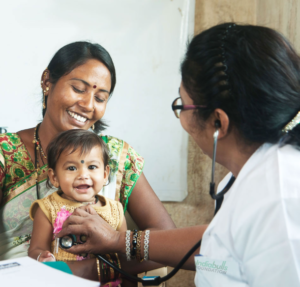
Despite its importance, preventive healthcare is often neglected due to lack of awareness, busy lifestyles, or fear of medical tests. Many people tend to ignore regular check-ups until they experience serious symptoms, which can lead to delayed diagnosis and more complicated treatments. Therefore, it is essential to spread awareness about the importance of preventive healthcare and encourage individuals to take responsibility for their health.
In conclusion, preventive healthcare is not just about avoiding diseases but about promoting a healthier and happier life. By taking small yet consistent steps such as regular health check-ups, maintaining a balanced diet, staying physically active, and managing stress, individuals can protect themselves from various health risks. Investing in preventive healthcare today ensures a longer, healthier, and more fulfilling future.
Preventive healthcare also plays an essential role in strengthening mental health, which is often overlooked in traditional healthcare approaches. In recent years, stress, anxiety, and depression have become increasingly common due to fast-paced lifestyles and work pressure. Preventive measures such as mindfulness, meditation, regular exercise, and maintaining a work-life balance help in reducing mental stress and improving emotional well-being. When individuals focus on both physical and mental health, they are better equipped to handle daily challenges and lead a more fulfilling life.
Another important aspect of preventive healthcare is the role of awareness and education. Educating people about healthy habits, disease prevention, and the importance of early diagnosis empowers them to make informed decisions about their health. Schools, workplaces, and communities can play a vital role in promoting preventive healthcare by organizing health camps, workshops, and awareness programs. When people are informed, they are more likely to adopt preventive measures and encourage others to do the same.
Technology is also transforming the future of preventive healthcare in remarkable ways. With the rise of digital health tools such as fitness trackers, mobile health applications, and wearable devices, individuals can now monitor their health in real time. These technologies help track vital signs like heart rate, physical activity, sleep patterns, and calorie intake. Additionally, telemedicine services allow people to consult doctors from the comfort of their homes, making healthcare more accessible and convenient. Artificial intelligence is further enhancing preventive healthcare by predicting potential health risks based on individual data, enabling early intervention.
Preventive healthcare is particularly important for different age groups, as health needs vary throughout life. For children, it includes vaccinations, proper nutrition, and regular growth monitoring. For adults, it involves routine health screenings, stress management, and maintaining a healthy lifestyle. For older adults, preventive care focuses on managing existing conditions, regular medical check-ups, and ensuring a good quality of life. By addressing the specific needs of each age group, preventive healthcare ensures long-term health and well-being for everyone.

Workplaces are also increasingly recognizing the importance of preventive healthcare. Many organizations are introducing wellness programs that include regular health check-ups, fitness activities, mental health support, and healthy work environments. These initiatives not only improve employee health but also increase productivity, reduce absenteeism, and create a positive work culture. A healthy workforce is a valuable asset for any organization, making preventive healthcare a smart investment for businesses.
Moreover, preventive healthcare encourages personal responsibility towards health. It shifts the mindset from dependency on doctors and treatments to self-care and awareness. Individuals who actively engage in preventive practices are more conscious of their habits and are likely to make healthier choices. This sense of responsibility leads to long-term benefits and reduces the risk of lifestyle-related diseases.
Government initiatives and policies also play a significant role in promoting preventive healthcare. Public health programs, vaccination drives, sanitation improvements, and awareness campaigns help in reaching a larger population. In countries like India, initiatives focusing on hygiene, nutrition, and disease prevention have significantly improved public health outcomes. Continued efforts in this direction can further strengthen the healthcare system and ensure a healthier population.
In addition, preventive healthcare helps in reducing the spread of infectious diseases. Practices such as vaccination, proper hygiene, regular handwashing, and early diagnosis help control outbreaks and protect communities. The importance of preventive measures became especially evident during global health crises, where awareness and early action played a key role in saving lives.
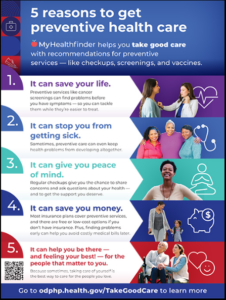
To sum up, preventive healthcare is a comprehensive approach that goes beyond treating illnesses—it focuses on maintaining overall wellness, preventing diseases, and improving quality of life. It combines healthy lifestyle choices, regular medical care, technological advancements, and community efforts to create a sustainable healthcare system. By prioritizing prevention, individuals and societies can reduce health risks, save costs, and build a healthier future.
Ultimately, adopting preventive healthcare is one of the best decisions a person can make. It is a long-term investment in health that brings lifelong benefits. By taking small but consistent steps today, we can ensure a safer, stronger, and healthier tomorrow.
Preventive healthcare also plays a vital role in improving the quality of life, not just the length of life. Living longer does not necessarily mean living healthier, but preventive measures ensure that individuals remain active, independent, and energetic throughout their lives. By focusing on regular exercise, proper nutrition, and timely medical care, people can avoid disabilities, chronic pain, and mobility issues in later years. This leads to a more comfortable and fulfilling lifestyle, especially for the elderly population.
Another important dimension of preventive healthcare is its role in family well-being. When one person adopts healthy habits, it often influences the entire family. Parents who prioritize preventive care set a strong example for their children, encouraging them to follow a healthy lifestyle from a young age. This creates a ripple effect where healthy habits are passed on through generations, ultimately contributing to a healthier society. Preventive healthcare, therefore, becomes not just an individual responsibility but a shared family value.
Nutrition is a cornerstone of preventive healthcare and plays a significant role in disease prevention. A balanced diet rich in vitamins, minerals, proteins, and fiber strengthens the immune system and protects the body from various illnesses. Avoiding processed foods, excessive sugar, and unhealthy fats can significantly reduce the risk of obesity, diabetes, and heart diseases. In countries like India, where lifestyle-related diseases are rapidly increasing, focusing on proper nutrition is more important than ever.
Physical activity is equally important in preventive healthcare. Regular exercise not only helps in maintaining a healthy weight but also improves heart health, boosts immunity, and enhances mental well-being. Activities like walking, jogging, yoga, and sports can be easily incorporated into daily routines. Even simple changes, such as taking stairs instead of elevators or walking short distances instead of driving, can make a big difference in maintaining overall health.

Sleep is another often underestimated factor in preventive healthcare. Adequate and quality sleep is essential for the body to repair and rejuvenate itself. Lack of sleep can lead to various health issues such as weakened immunity, stress, poor concentration, and increased risk of chronic diseases. Maintaining a proper sleep schedule and reducing screen time before bed are simple yet effective preventive measures.
Environmental factors also influence preventive healthcare. Clean air, safe drinking water, proper sanitation, and hygienic surroundings are essential for preventing many diseases. Public health initiatives that focus on improving environmental conditions play a crucial role in disease prevention. Individuals can also contribute by maintaining cleanliness in their surroundings and adopting eco-friendly habits.
Preventive healthcare also helps in building a stronger healthcare system. When fewer people fall seriously ill, hospitals and medical professionals can focus more on critical cases and emergencies. This improves the efficiency and effectiveness of healthcare services. It also ensures that medical resources are used wisely and are available for those who need them the most.
Furthermore, preventive healthcare enhances productivity in daily life. Healthy individuals are more energetic, focused, and capable of performing their tasks efficiently. Whether in school, work, or personal life, good health directly contributes to better performance and success. This highlights the connection between health and overall life achievements.
It is also important to highlight that preventive healthcare is not a one-time effort but a continuous process. Regular monitoring, consistent healthy habits, and periodic check-ups are necessary to maintain good health. Small steps taken consistently over time lead to significant long-term benefits. Ignoring preventive care, even for a short period, can increase health risks.
In conclusion, preventive healthcare is a holistic approach that touches every aspect of life—from physical and mental health to social and economic well-being. It empowers individuals to take control of their health and make informed choices. By embracing preventive
healthcare as a daily practice, we can create a future where diseases are minimized, healthcare costs are reduced, and people live healthier, happier lives.