
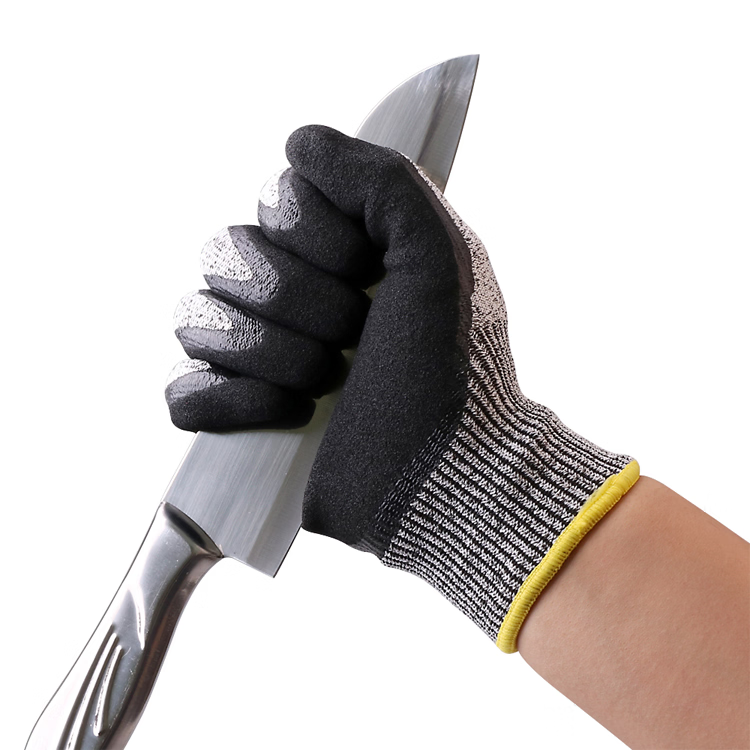
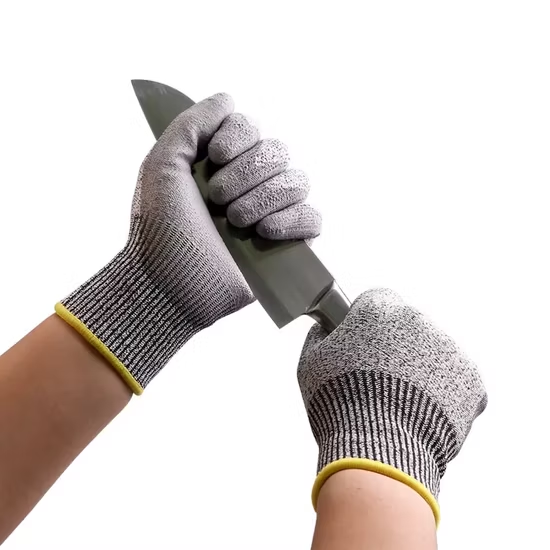
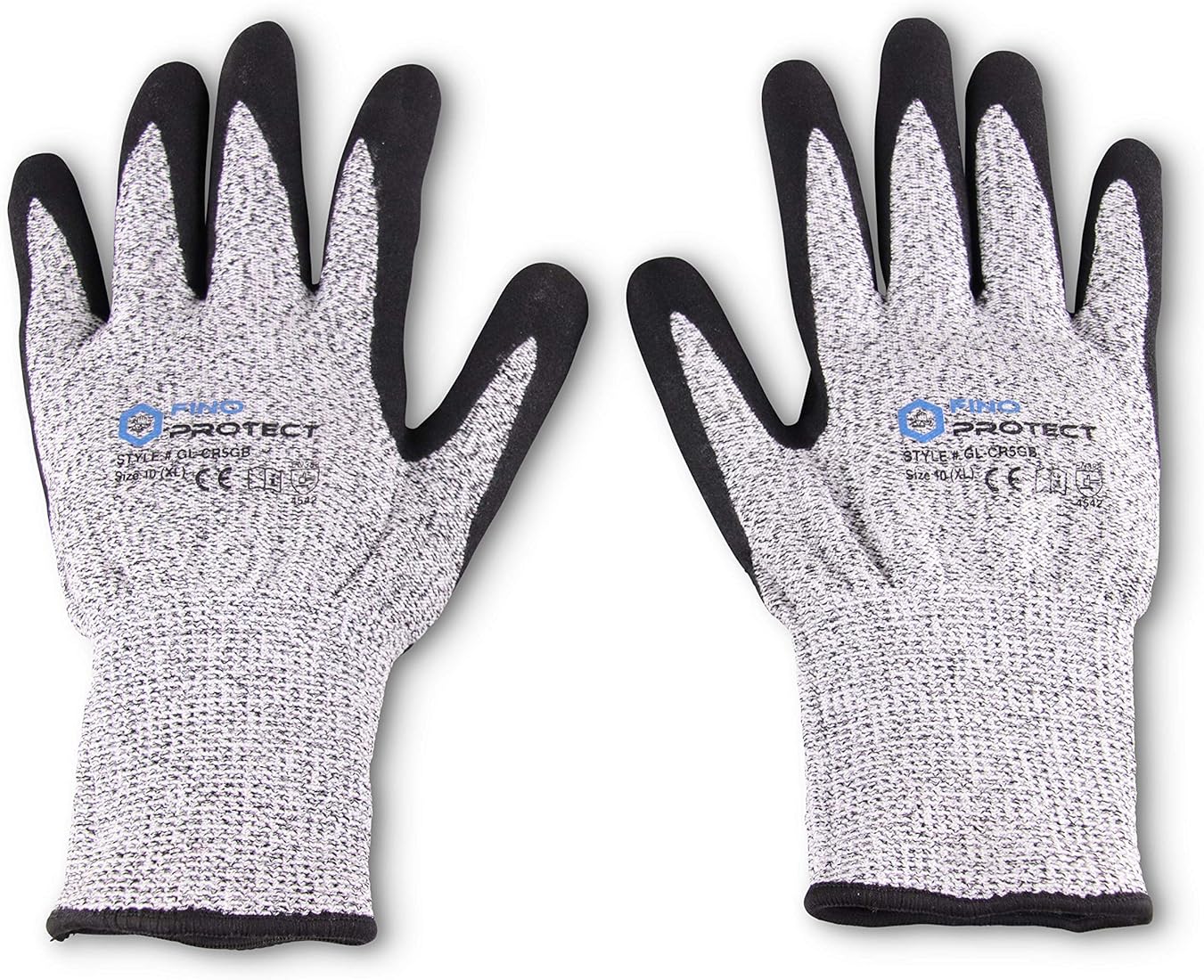
Cut-resistant gloves provide an essential line of defense for hands in environments where sharp objects pose a constant laceration hazard. Unlike bulky leather alternatives, modern cut-resistant gloves utilize advanced engineered yarns—such as High-Performance Polyethylene (HPPE), para-aramid (Kevlar®), and stainless steel mesh wire—to deliver high-tier slash protection while maintaining exceptional breathability and hand movement. To ensure secure tool manipulation, the palms and fingertips are usually dipped in resilient coatings like polyurethane, nitrile, or latex, which enhance gripping power in dry, wet, or oily conditions.
Key Features
- Engineered Composite Yarns: Blends HPPE, glass fiber, and aramid threads to intercept and neutralize slicing forces.
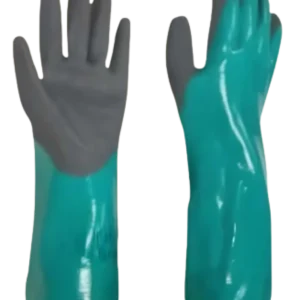
- Coated Palm Grips: Polyurethane (PU), sandy nitrile, or foam latex dips offer superior grip on slick, oily metal surfaces.
- Excellent Tactile Sensitivity: Lightweight, high-gauge knits (13-gauge to 18-gauge) feel like a second skin for handling small screws and components.
- Breathable Back-of-Hand: Seamless knit construction allows heat and moisture to escape, keeping hands dry during extended shifts.
- Reinforced Thumb Crotch: Extra coating or padding in high-wear zones extends the operational lifespan of the glove.
Product Applications
- Metal Stamping and Fabrication: Handling raw sheet metal, removing sharp burrs, and operating stamping machinery safely.
- Glass and Window Manufacturing: Moving large glass panels, sorting glass shards, and installing window frames without risk of deep lacerations.
- Automotive Assembly: Installing engine parts, handling sharp body panels, and working with complex mechanical components.
- Food Processing and Butchery: Safe handling of carving knives, operating band saws, and cleaning sharp slicing blades.
- Construction and Demolition: Working with rebar, cutting drywall, handling HVAC ductwork, and clearing jagged site debris.
Product Specification
Cut resistance performance is strictly measured and classified under two major global rating systems: ANSI/ISEA 105 (North America) and EN 388 (Europe).
- Material Blend: HPPE, Para-Aramid, Glass Fiber, Stainless Steel Wire, or Polyester.
- Grip Coating: Polyurethane (PU), Micro-Foam Nitrile, Sandy Nitrile, or Crinkle Latex.
- Knit Gauge: 13-gauge (standard protection), 15-gauge (high dexterity), or 18-gauge (ultra-fine precision).
- ANSI/ISEA 105 Cut Levels: Ranging from A1–A3 (Light duty), A4–A6 (Medium/Heavy industrial duty), to A7–A9 (Extreme hazards like meat butchery and heavy glass).
- EN 388 Coup/ISO Levels: Rated from Level 1 to 5 or Level A to F (TDM-100 straight blade test).
Storage & Handling Instructions
- Pre-Work Inspection: Check the gloves before every shift for bald spots in the palm coating, frayed composite yarn, or compromised seams.
- Laundering Protocol: Wash soiled gloves in cold or lukewarm water with mild detergent; avoid chlorine bleach as it breaks down the molecular structure of cut-resistant fibers.
- Drying Method: Air dry the gloves or tumble dry on low heat (under 60°C/140°F) to prevent shrinkage and damage to the palm coating.
- Proper Storage: Store flat inside a dry, dark cabinet away from direct ultraviolet (UV) light, which can degrade aramid and high-performance fibers over time.
Conclusion
Cut-resistant gloves are an indispensable asset for lowering workplace injury statistics and protecting workers from life-altering hand lacerations. By selecting the precise cut level and coating optimized for your daily tasks, you ensure the ideal balance of heavy-duty hand safety, worker comfort, and operational dexterity.
Reviews
There are no reviews yet.